Crews Conduct Burnout Operations on the 51 Fire in Kansas and the Sharpe Fire Near Campo, Colorado
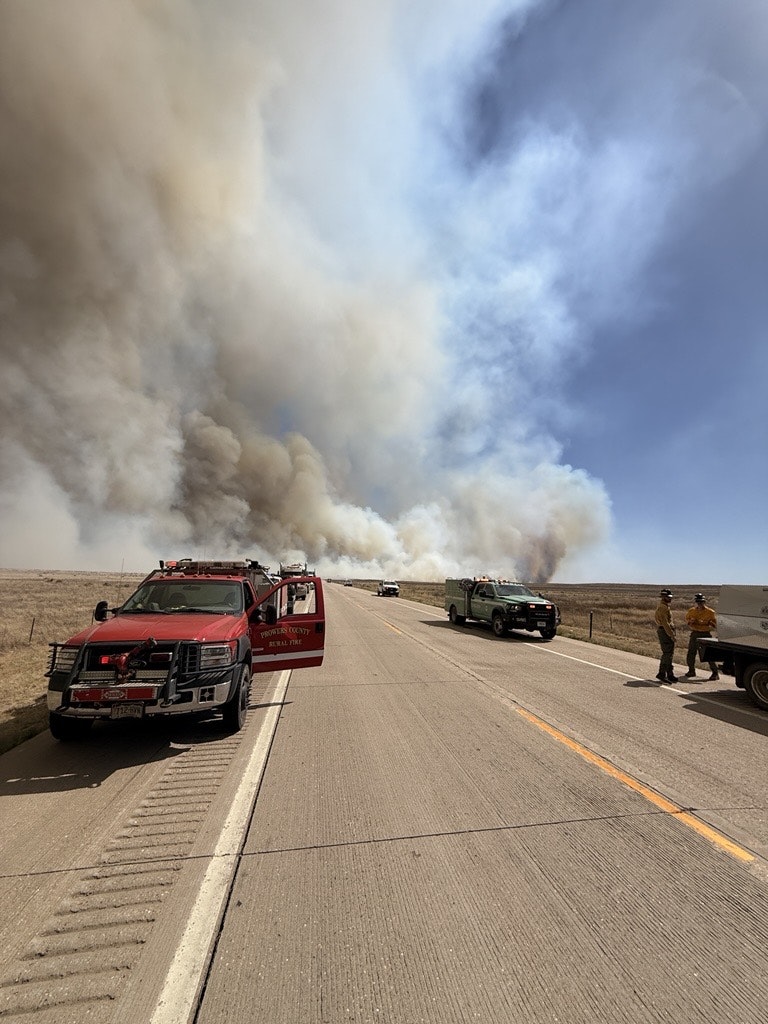
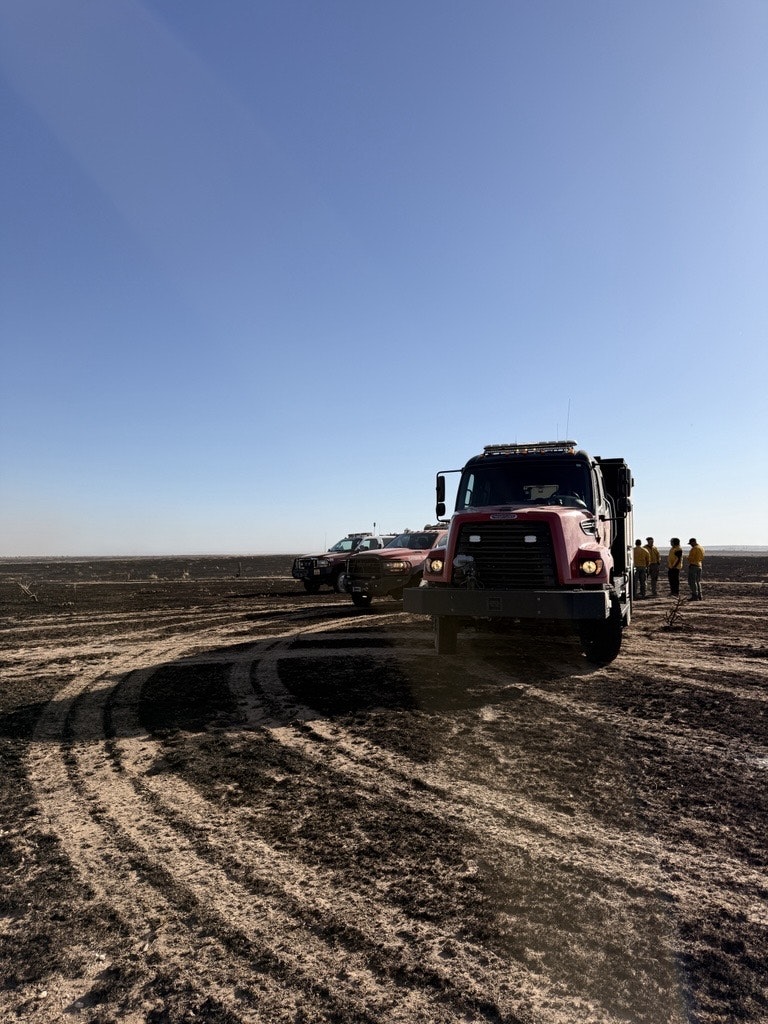
SAFPD Wildland firefighters continue working aggressively on multiple large fires across the central plains, including the 51 Fire in southwest Kansas and the Sharpe Fire south of Campo, Colorado. Fire crews from numerous agencies are using a combination of direct attack, structure protection, aerial support, and strategic burnout operations to slow fire growth and strengthen containment lines.
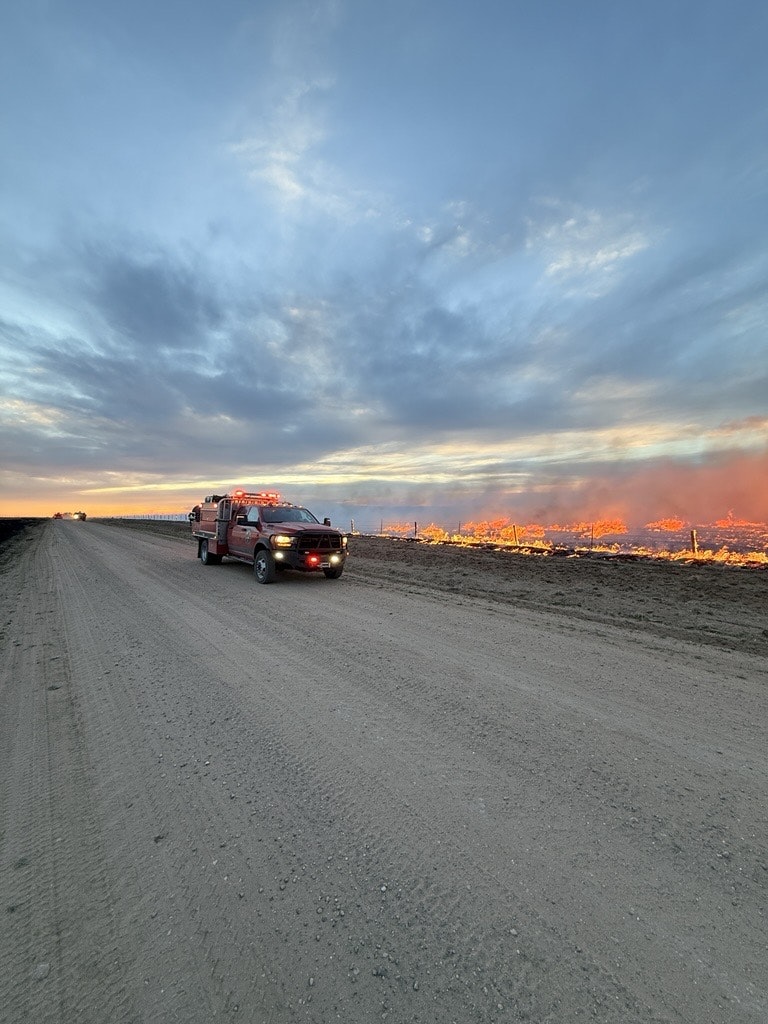
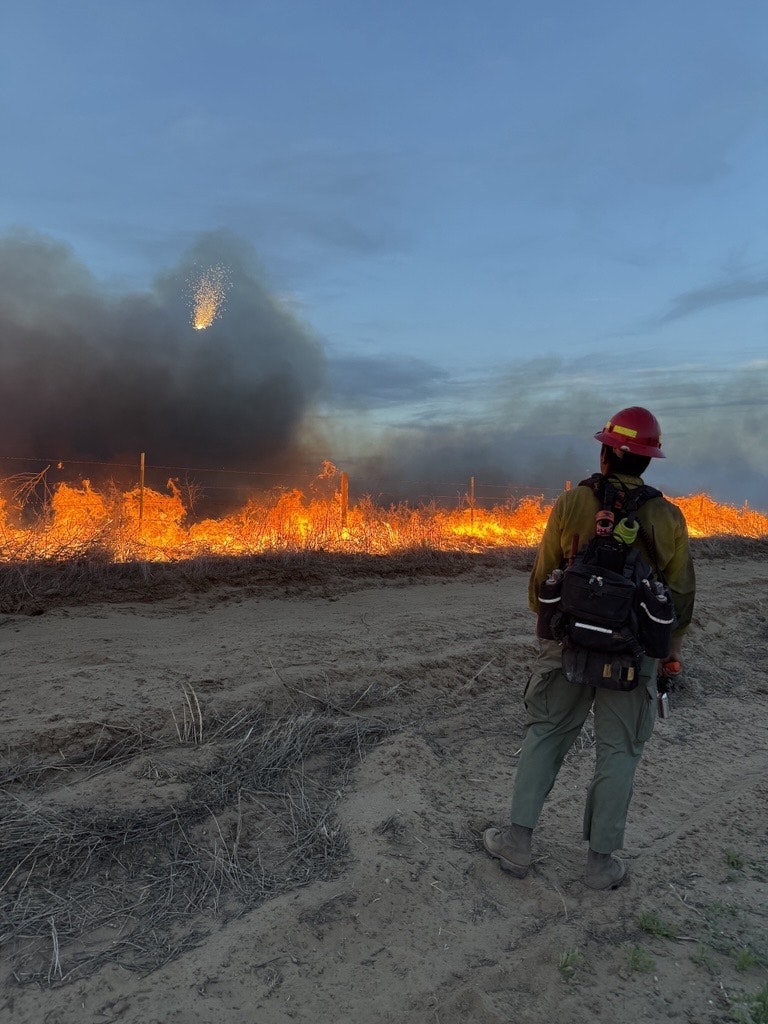
One of the key tactics being used on both incidents is a wildfire suppression technique known as a “burnout.”
In wildfire terminology, a burnout operation is the intentional burning of vegetation between an established fireline and the advancing wildfire. Firefighters carefully ignite fuels under controlled conditions to remove unburned grass, brush, or timber that the main fire could otherwise consume. By eliminating available fuel ahead of the wildfire, crews can slow the fire’s spread and create a stronger, safer containment line.
On the 51 Fire in Morton County, Kansas, firefighters have used burnout operations to help secure firelines and protect surrounding areas as dry conditions and wind continue to challenge suppression efforts. Kansas Forest Service updates noted crews conducting burnout operations to hold the fire along natural barriers and established containment features.
Further west, firefighters battling the Sharpe Fire south of Campo, Colorado, have also relied on strategic firing operations to help protect the community and nearby ranchlands. The fast-moving grassfire, driven by strong winds and dry fuels, prompted evacuations and a large multi-agency response. Crews worked around the clock establishing and strengthening firelines while aircraft supported operations from the air.
While burnout operations can appear dramatic to the public, they are a carefully planned and highly coordinated firefighting tactic used to improve firefighter safety and increase the likelihood of containing a wildfire before it reaches homes, infrastructure, or critical resources.
South Arkansas Fire Protection District reminds residents that smoke columns or visible flames during suppression efforts do not always indicate the wildfire is growing uncontrollably. In many cases, firefighters may be intentionally burning vegetation as part of a planned containment strategy.
As wildfire activity increases across the region this season, firefighters continue emphasizing the importance of public awareness, preparedness, and cooperation with evacuation notices and road closures when they are issued.